
A heat pump water heater works like a refrigerator running in reverse. A small compressor and refrigerant loop sit on top of an insulated tank, pulling warmth out of the surrounding air and pushing it into the water. Because the unit moves heat rather than generating it with a resistance element, it needs far less electricity than a standard electric tank would burn for the same shower. That is why these units carry Uniform Energy Factor ratings around 3 or higher, compared with roughly 0.9 for a conventional electric model, and why so many Saginaw, MI homeowners who heat water with electricity are looking hard at the switch.
Placement matters more for a heat pump water heater than for any other type. The unit needs a steady supply of room air, so manufacturers generally want around 700 cubic feet of open space, or ducting to borrow air from a larger area when the utility closet is tight. The exhaust air comes out cooler and drier, a bonus in a humid basement or hot garage and a drawback in a small, already chilly space. Heat pump operation also has a temperature window: in a space that drops near freezing, the unit switches to its electric elements and the efficiency advantage shrinks for those hours. Add a condensate line that must drain by gravity or pump, a fan and compressor that make a steady, low hum, and a dedicated 240-volt circuit on most models, and you can see why the site survey matters as much as the brand.
Once the unit is in place, mode selection and sizing decide the monthly bill. Heat pump only mode delivers the lowest running cost; hybrid mode lets the elements help during heavy draws; high-demand mode leans on the elements for guests or big laundry days. Since the compressor heats at a gentler pace than resistance elements, we often size a hybrid slightly larger than the tank it replaces so the backup elements rarely switch on. Installation includes the drain pan, a tested condensate route, a correctly sized circuit and breaker, code-required items like an expansion tank where applicable, and a walkthrough of the controls. Incentive programs, from utility rebates to federal tax credits, cover many qualifying models; we will point you to the ones to look into, though final eligibility is always up to the program. Call (989) 208-3612 to plan a hybrid water heater for your Saginaw home.
Most of our service calls are for Water Heater Installation in Saginaw. Either is a good place to start.
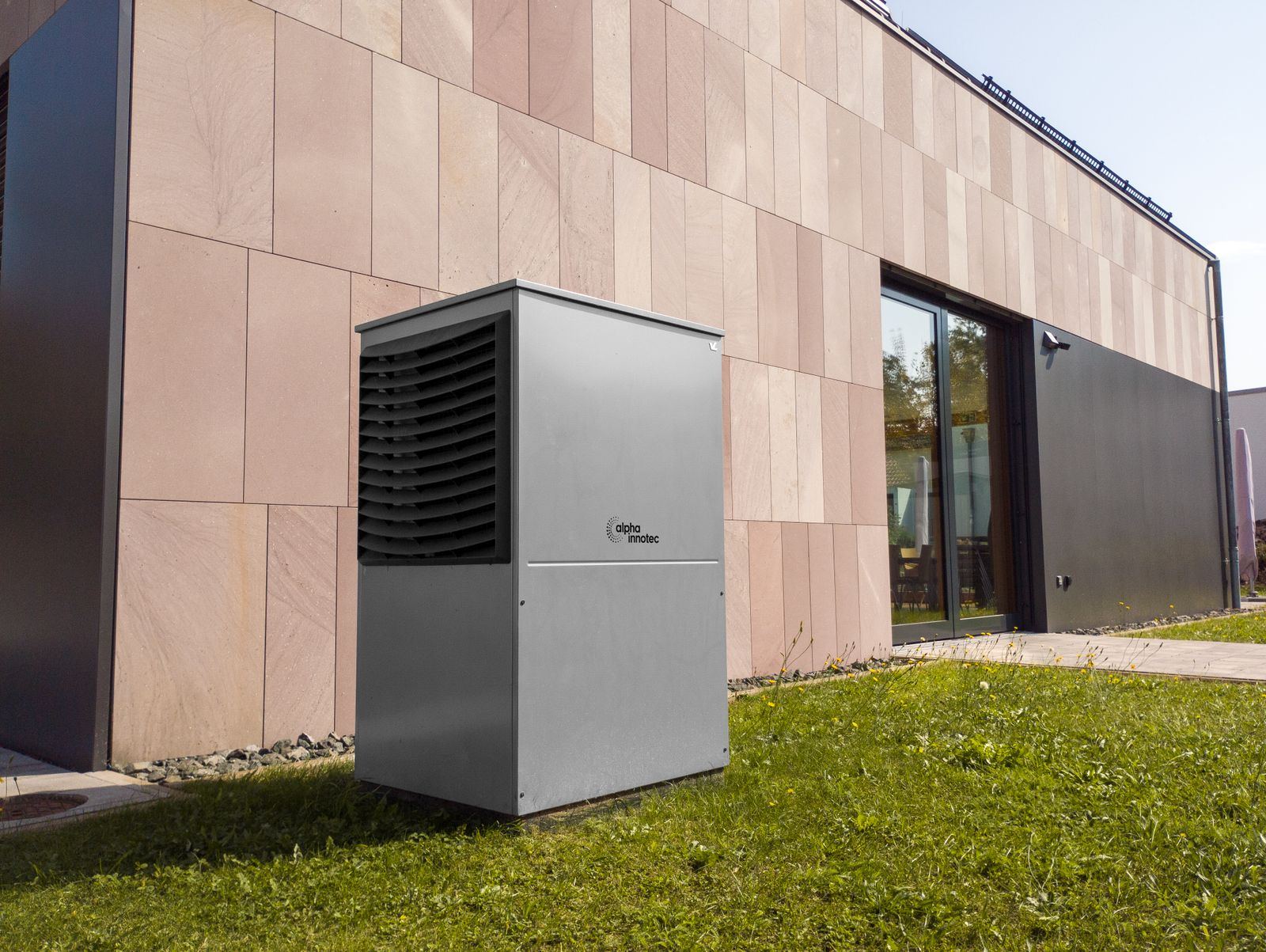
When to Call for Heat Pump Water Heaters
Most tanks announce trouble weeks or months ahead with rumbling noises, rusty water, or hot showers that keep getting shorter. If any of the following sound familiar, it's worth having the unit checked:
- A garage, basement, or utility room with plenty of open air around the tank
- An all-electric home, or one heading that direction
- A big family whose hot water use drives the electric bill
- Existing electric water heater wiring that may serve the new unit
- Interest in utility rebates or federal tax credits for efficient equipment
- An electric tank over ten years old that you would like to swap on your own schedule
- A warm utility space the heat pump can draw from
- A musty lower level where cooler, drier air would be welcome
Early Action Saves Money
A worn-out anode rod, a sediment-choked tank, or a weak thermocouple rarely fixes itself, and the repair usually costs more the longer it waits. At the first hint of a problem, reach out to Saginaw Water Heater at (989) 208-3612 and we'll take a look.
Heat Pump Water Heaters FAQ
Why Professional Heat Pump Water Heaters Matters
A hybrid looks like an ordinary tank with a lid on it, but it combines three trades in one appliance: plumbing, electrical, and a sealed refrigerant system. The water side needs proper connections, a relief valve discharged to a safe location, and an expansion tank where the plumbing is closed. The electrical side needs a circuit and breaker sized to the nameplate, not whatever happens to be there. Then there is the part DIY guides skip: whether the room can actually feed the compressor. A unit squeezed into a small closet without ducting spends its life on backup heat, which means paying hybrid prices for standard electric performance.
Beyond the systems, there is the labor. A hybrid is taller than a typical tank and very heavy once filled, so moving and setting it level in a pan takes planning. A gas-to-electric conversion adds a gas line to cap, an unused vent to close off, and a new circuit to run. Condensate has to drain without fail, since an overflowing line can damage floors and walls quietly. And if the sealed refrigerant system ever needs service, that work requires special training and recovery gear. We take care of every step, set the operating mode for your household, and provide the documentation you may need for rebate or tax credit forms, leaving final eligibility to the program.
Step by Step: How a Visit Works
We work through a clear, repeatable process so you always know what's happening and what it will cost. Here's the short version:
Space and Airflow Check
The survey covers air space, seasonal temperature, the condensate route, and electrical capacity, so we know whether the space works as is or needs ducting.
Choosing the Unit
You get a recommendation built around your family's peak morning demand, the available space, and whether a 240-volt or 120-volt model makes more sense.
Careful Installation
The old tank is drained and removed, the hybrid is set in a drain pan, and we connect water, power, the relief valve discharge, and a condensate line to a drain or pump.
Controls and Handoff
Before we leave, the unit is running, draining, and set to the right mode, and you know which setting to use when guests arrive.
Tips to Keep Your Water Heater Healthy
Most of the failures we see could have been delayed for years with basic upkeep. Put these technician-approved steps to work at home:
- Leave clear space around the intake and exhaust instead of stacking storage against them
- Ask for an anode rod check during maintenance visits
- Look at the condensate line now and then to make sure it is draining freely
- Keep chemicals, paint, and lint sources away from the intake air
- Keep up with a yearly flush, since hybrids collect sediment like any tank
- Check the air filter regularly and wash it whenever dust builds up
- Put the unit in vacation mode whenever the house will sit empty for a while
Should You DIY or Call a Pro?
Some simple checks are fine to do yourself, but most water heater repairs benefit from professional tools, training, and experience. Consider the following comparison:
| Factor | Doing It Yourself | Professional Service |
|---|---|---|
| Placement | Space never measured | Located where the compressor can work |
| Wiring | Old tank wiring assumed to be fine | Dedicated circuit verified or added |
| Drainage | Line left to drip on the floor | Condensate path planned and verified |
| Sizing | Same size as the old tank by default | Often upsized to keep elements idle |
| Operating Mode | Modes never explained | Settings chosen for savings |
| Code Items | Relief valve line and expansion tank overlooked | Code items addressed where required |
Let's Get Your Hot Water Back
Every day a leak or a failing part goes unchecked puts more stress on the tank. Get Saginaw Water Heater on the job today.
Call (989) 208-3612 TodayCommunities We Cover
Our service area reaches well past the city limits. Choose your community for local details.